
In the modern professional landscape, the concept of health and safety has evolved from a simple box-ticking exercise into a fundamental pillar of organisational success. Many people still view safety training as something strictly for those in high-risk industries like construction or manufacturing, but the reality is quite different. Whether you are working in a bustling office, a retail environment, or a corporate headquarters, understanding how to manage risks is a universal skill that every professional should possess. This is where the value of an IOSH Course becomes incredibly clear.
The Institution of Occupational Safety and Health (IOSH) is the world’s largest professional body for people responsible for safety and health in the workplace. Because they are a global organisation, their certifications carry a level of prestige and recognition that few other training programmes can match. When you hold an IOSH certificate, you aren’t just showing that you attended a seminar; you are demonstrating that you understand the practical, real-world application of safety management principles that keep people out of harm’s way.

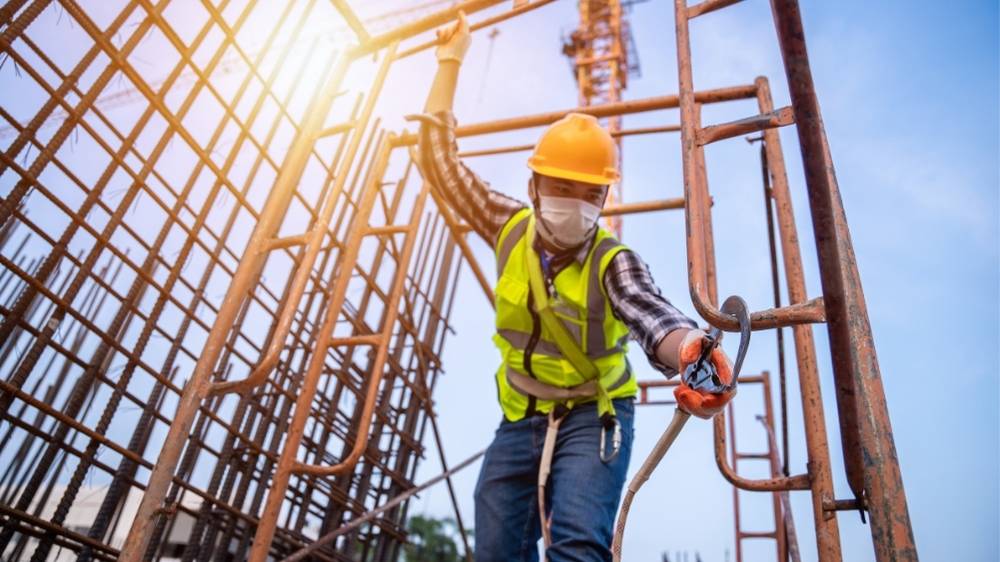

What exactly is an IOSH qualification?
Unlike some academic safety qualifications that can feel a bit detached from the day-to-day grind, IOSH training is designed to be highly practical. It focuses on what actually happens on the shop floor or in the office. The training is structured to be accessible to everyone, regardless of their previous experience with safety legislation. It strips away the complex legal jargon and replaces it with actionable insights that can be implemented immediately. This approach is why so many businesses across the UK and beyond insist on their staff completing an IOSH Course to ensure a baseline level of competence across the board.
The difference between Working Safely and Managing Safely
When people start looking into these qualifications, they often find themselves choosing between two primary paths. Understanding which one fits your current role—or the role you want to have in the future—is the first step toward making a sensible decision for your career development.Who should take the Working Safely module?
The Working Safely programme is essentially a high-impact grounding in the essentials of health and safety. It is designed for employees at any level, in any sector. It covers the basics of why health and safety is important and how individuals can make a real difference to the wellbeing of themselves and others through their everyday actions. It’s about personal responsibility and awareness, making it an ideal starting point for those new to the workforce or those looking to refresh their knowledge.Why managers need the Managing Safely certification
For those in positions of authority, the Managing Safely course is the gold standard. This isn’t just about learning rules; it’s about learning how to lead. Managers have a legal and moral duty to ensure their teams are safe, and this course provides the tools to do exactly that. It covers everything from assessing risks and controlling hazards to investigating incidents and measuring performance. It gives managers the confidence to make decisions that protect their staff while also protecting the business from the significant financial and legal repercussions of safety failures.Real benefits of completing an IOSH Course
There are numerous reasons why professionals choose to invest their time in this training. While the most obvious reason is to prevent accidents, the benefits actually extend much further into the realms of professional reputation and operational efficiency. Here are some of the primary advantages:- Enhanced Career Prospects: Having a recognised safety qualification on your CV makes you a much more attractive candidate for management roles.
- Legal Compliance: It ensures that you and your organisation are meeting the statutory requirements set out by the Health and Safety Executive (HSE).
- Reduced Downtime: By identifying hazards before they cause accidents, you keep your team working and avoid the disruptions that follow a workplace injury.
- Improved Staff Morale: Employees who feel that their employer genuinely cares about their safety are generally more engaged and productive.
- Global Recognition: Because IOSH is an international body, your certificate is recognised by employers all over the world, not just in the UK.
What the training experience is really like
One of the biggest misconceptions about safety training is that it consists of three days of staring at boring PowerPoint slides in a windowless room. While some providers might still operate that way, a high-quality IOSH Course is designed to be engaging and interactive. Modern training centres use a variety of methods to keep participants involved, including group discussions, case studies, and practical exercises that mimic real-life scenarios. The assessment process is also designed to be fair and reflective of actual ability. Usually, there is a multi-choice exam to test your knowledge of the theory, followed by a practical risk assessment project. This project is often the most valuable part of the experience because it requires you to take what you’ve learned in the classroom and apply it to your own actual workplace. You identify real hazards, evaluate the risks, and propose sensible control measures. This ensures that the training has an immediate, positive impact on your job.Moving beyond the classroom
The learning doesn’t stop once you receive your certificate. The beauty of the IOSH framework is that it encourages a culture of continuous improvement. Once you have the basics down, you start to see the world differently. You begin to notice things that you might have walked past a hundred times before—a blocked fire exit, a trailing cable, or a poorly organised workstation. More importantly, you now have the vocabulary and the framework to address these issues professionally and effectively.How this qualification helps your long-term career
In an increasingly competitive job market, you need features that differentiate you from other candidates. Technical skills are important, but “soft” management skills—like the ability to manage risk and ensure compliance—are what often lead to promotions. Employers are looking for safe hands; they want people who can take charge of a department without creating liabilities for the company.- Building Leadership Skills: Learning how to communicate safety requirements effectively is a core part of leadership.
- Financial Awareness: The course helps you understand the true cost of accidents, from insurance premiums to lost productivity, making you more business-savvy.
- Confidence in Decision Making: When you understand the legal framework, you don’t have to guess whether a process is safe; you have the knowledge to verify it.
Choosing the right format for your schedule
We all lead busy lives, and the thought of taking several days out of the office can be daunting. Fortunately, the way these courses are delivered has become much more flexible. You can choose from traditional classroom-based learning, which offers the benefit of direct interaction with a tutor and peers, or you can opt for online e-learning. Online options allow you to progress through the modules at your own pace, which is perfect for those who need to balance their studies with a full-time job or family commitments. Regardless of the format you choose, the curriculum remains the same, ensuring that every successful candidate meets the same high standards. The focus is always on practical outcomes. By the time you finish, you won’t just know the theory of health and safety; you will have a clear plan for how to make your workplace better. This shift in perspective is often the most rewarding part of the entire process, as you move from being a passive observer of safety rules to an active participant in creating a healthier, more successful professional environment for everyone involved.James Whitaker is a health writer specializing in cancer awareness, prevention, and treatment. He focuses on providing research-based content that helps readers understand complex medical topics, with an emphasis on skin cancer education and chemotherapy insights.